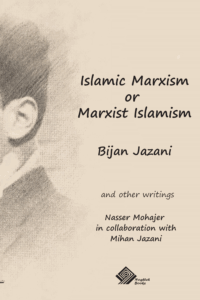
 Islamic Marxism or Marxist Islamism
and other writings
Bijan Jazani
Compiled and edited: Nasser Mohajer
Cover Design: and layout: Banafsheh Massoudi
First Edition, Paris, Spring 2025
ISBN: 978-0-9980861-9-4
Islamic Marxism or Marxist Islamism
and other writings
Bijan Jazani
Compiled and edited: Nasser Mohajer
Cover Design: and layout: Banafsheh Massoudi
First Edition, Paris, Spring 2025
ISBN: 978-0-9980861-9-4
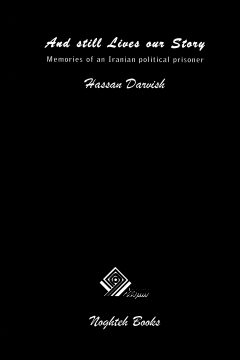 And Still Lives Our Story (Memories of an Iranian Political Prisoner)
Hassan Darvish has recounted his prison memoirs in a creative and unclassical way. He was imprisoned by the Islamic Republic of Iran from 1982 to 1984 in “Vakil Abad” and the “Central Committee” detention center in the city of Mashad. While detailing his ordeal in prison, he also writes about his life before and after imprisonment.


Crime & Punishment (On the Assassination of Dissidents in Iran)
This book comprises two essays and one interview. The interview and one of the essays describe in great details how Parvaneh Eskandari, Daryoush Foruhar, Majid Sharif, Mohammad Mokhtari and Mohanmad Jafar Pooyandeh were butchered and murdered based on a detailed and careful examination of accessible evidence .
The other essay is an investigative inquiry into the circumstances and context of Hojjat-Al-Islam Khatami’s rise to power – during whose terms these serial assassinations occurred.
In this inquiry, the general political tendencies and domestic policies of the Reformist government of Mohammad Reza Khatami is analyzed and scrutinized.

 In the Name of Law (Bijan Jazani & Hassan Zia Zarifi in Military Court)
In the Name of Law is a case study of the arrest and trial of Bijan Jazani, Hassan Zia Zarifi and other twelve members of a newly formed revolutionary group which later became one of the two pillars of the Iranian Peoples Feda’i Guerrillas. This exceptional trial that lasted from December 30, 1968 until February 27, 1969 is considered as one of the most important political trials of the 1960’s in Iran.
Reflecting upon the political events and social climate of the time, Nasser Mohajer and Mehrdad Baba Ali have deconstructed the defense arguments of Jazani and Zia Zarifi. In their 100 page-introduction they demonstrate how a worldwide international campaign in concurrence and coordination with the immediate family and friends of prisoners succeeded in saving the lives of the accused.
This book is appended with three rare documents which are published for the first time.
The second edition of the book includes several previously undiscovered and unprinted documents such as the diaries of Mr. William Wilson (ex- British MP), an interview with Mihan Jazani, wife of the late Bijan Jazani, Mohammad Majid Kianzad, one of the fourteen, and Mr. Hedayat Matin-Daftari, the esteemed lawyer and friend of Jazani and Zia Zarifi.
ISBN: 978-0-9980861-1-8
 Five young women from one of the provinces in Iran, whose husbands were either imprisoned or executed during the rampant repression of the 1980s, recounted their traumatic experiences with Fariba Iraj. First one on one, and then in a group everyone shared their stories.
The following is what Fariba Iraj says about this innovative and unique approach:
“Aside from two of the women, I didn’t know the rest. I had better say that I had only heard of their names and few things about their lives. For example, I had heard of the hardship that Ladan had to go through in order to visit her husband. She had to travel in extreme heat and cold weather to visit him in one of Tehran’s prisons. On several occasions she was not even allowed to see her husband. I had also heard that she had to endure mistreatments at the hands of prison officials. She would put up with these mistreatments, and would not utter a word. Here and there, I had also heard things about Azadeh that were disturbing. After her husband’s execution, she was being pressured by her mother and father in-laws to marry her brother-in-law. I had heard of stories about her resisting them. Ava’s story was also one of my preoccupations. How she was able to live in hiding with a two-year-old child and escape from one city to another. I wanted to know these women and listen to their stories. I felt that it was their womanhood that made me sensitive to their predicament. I could see that the men around me did not face similar problems, and if they did, they would respond differently.”

 The Inescapable Escape (Thirty Narratives of Fleeing the Islamic Iran)
Book 1
In this two-volume book, thirty men and women of all ages and walks of life with diverse political and religious believes talk about their motivations for fleeing Iran. The protagonists have fled Iran through different borders, seeking asylum in different countries.
The editors and compilers of these amazingly authentic and awakening stories hope to contextualize and pass on the experience of inescapable escape of the older generation to new ones in the hope of preventing historical amnesia and not letting bitter memories and dark days be forgotten.
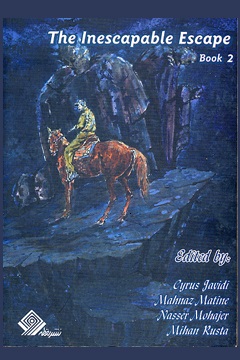 The Inescapable Escape (Thirty Narratives of Fleeing the Islamic Iran)
Book 2
Many left-leaning and non-leftist activists, writers, poets, intelectuals, but also followers of different religious persuasions such as Zoroastrians, Christians, Jews, Bahai’s and those who hoped for freedom and the rule of law had to leave Iran soon after the establishment of the Islamic Republic of Iran. This explains the diverse character of the Iranian Diaspora.
The art work of renowned Iranian Artist, Ario Mashayekhi, depicting moments of displacement has rendered the two volumes of The Inescapable Escape, a rare character.

The Inescapable Escape (Thirty Narratives of Fleeing the Islamic Iran)
Book 1
In this two-volume book, thirty men and women of all ages and walks of life with diverse political and religious believes talk about their motivations for fleeing Iran. The protagonists have fled Iran through different borders, seeking asylum in different countries.
The editors and compilers of these amazingly authentic and awakening stories hope to contextualize and pass on the experience of inescapable escape of the older generation to new ones in the hope of preventing historical amnesia and not letting bitter memories and dark days be forgotten.
The Inescapable Escape (Thirty Narratives of Fleeing the Islamic Iran)
Book 2
Many left-leaning and non-leftist activists, writers, poets, intelectuals, but also followers of different religious persuasions such as Zoroastrians, Christians, Jews, Bahai’s and those who hoped for freedom and the rule of law had to leave Iran soon after the establishment of the Islamic Republic of Iran. This explains the diverse character of the Iranian Diaspora.
The art work of renowned Iranian Artist, Ario Mashayekhi, depicting moments of displacement has rendered the two volumes of The Inescapable Escape, a rare character.


 The Book of Prison (An Anthology of Prison Life in the Islamic Republic of Iran)
Vol. 1
Ketab-e Zendan (“The Book of Prison”) is a collection of two volumes which aims to provide a comprehensive account of the prison system and the experience of incarceration in the Islamic Republic period. From 1979 to the present day, the prison system has been a continuous element in the contention between the state and dissident forces, as well as contrast within the state elites themselves. Nearly all political movements which have been active in Iran during these past four decades have experienced jail as an essential element of their activities and very existence. This experience has been defined by the worst forms of imposition of prison practices, from the extensive use of torture to obtain confessions, through to systematic extra judicial capital punishment, especially in 1981 to 1988. The present compilation seeks, at times starkly, to raise awareness on these issues for a wider Persian audience. Its editor, Nasser Mohajer, is of the belief that the persecution of individuals on political and expression grounds will continue as long as the general awareness of related prison practices will remain limited.
In order to present an authentic record of the prison system in Iran, the narrative is centred on the reminiscences of the prisoners themselves, from all corners of the country. This first volume contain 13 Chapters covering topics such as ●Phases and Stages in the Development of Prison System during the Islamic Republic of Iran period ●Islamic Penitentiary ●Stages and Forms of Arrest ●Interrogators, Interrogation, Types and Mechanisms of Torture ●Renegades and Penitents ●Religious Minorities in the Islamic Penitentiary ●Visitation Procedures and Constraints ●Gender Discrimination ●New born and Prison Children.
The Book of Prison (An Anthology of Prison Life in the Islamic Republic of Iran)
Vol. 2
Nasser Mohajer has opined that “A vital task for those who challenge despotism is to fight against forgetfulness. A cornerstone of Resistance is to resist forgetting which motivated us to record the defiance of tens of thousands who stood face to face with the Islamic Republic and resisted. The Prison Books are a contribution to struggle against collective amnesia.”
In the preface of the second volume of the Book of Prison, Mohajer argues that: “The responsibility of not forgetting the brutalities and atrocities committed by the Islamic Republic rests to a large degree on the shoulders of the generation who has lived the hideous crime. This book retells true stories of those who bravely endured and resisted the Islamic Republic’s imprisonments and brutal tortures.
The narrators come from diverse socio-economic backgrounds and were members and supporters of different political organizations. Some were not political activists and adhered to diverse religious persuasions.”
This Second Volume of the Book of Prison, contains 14 Chapters covering topics such as ●Everyday life inside the Prison ●Psychological Disorders ●Suicides ●Executions: Profiles of 13 executed men and women ●Last Wills and Testaments ●Prison Letters, Escape, 1988 Massacre ●International Human Rights Organizations and the UN ●The activities of organizations of the families of political prisoners ●Freedom: Life After Prison ●Memorials: The Struggle against Forgetfulness.
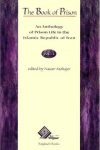
 The Book of Prison (An Anthology of Prison Life in the Islamic Republic of Iran)
Vol. 2
Nasser Mohajer has opined that “A vital task for those who challenge despotism is to fight against forgetfulness. A cornerstone of Resistance is to resist forgetting which motivated us to record the defiance of tens of thousands who stood face to face with the Islamic Republic and resisted. The Prison Books are a contribution to struggle against collective amnesia.”
In the preface of the second volume of the Book of Prison, Mohajer argues that: “The responsibility of not forgetting the brutalities and atrocities committed by the Islamic Republic rests to a large degree on the shoulders of the generation who has lived the hideous crime. This book retells true stories of those who bravely endured and resisted the Islamic Republic’s imprisonments and brutal tortures.
The narrators come from diverse socio-economic backgrounds and were members and supporters of different political organizations. Some were not political activists and adhered to diverse religious persuasions.”
This Second Volume of the Book of Prison, contains 14 Chapters covering topics such as ●Everyday life inside the Prison ●Psychological Disorders ●Suicides ●Executions: Profiles of 13 executed men and women ●Last Wills and Testaments ●Prison Letters, Escape, 1988 Massacre ●International Human Rights Organizations and the UN ●The activities of organizations of the families of political prisoners ●Freedom: Life After Prison ●Memorials: The Struggle against Forgetfulness.
The Book of Prison (An Anthology of Prison Life in the Islamic Republic of Iran)
Vol. 1
Ketab-e Zendan (“The Book of Prison”) is a collection of two volumes which aims to provide a comprehensive account of the prison system and the experience of incarceration in the Islamic Republic period. From 1979 to the present day, the prison system has been a continuous element in the contention between the state and dissident forces, as well as contrast within the state elites themselves. Nearly all political movements which have been active in Iran during these past four decades have experienced jail as an essential element of their activities and very existence. This experience has been defined by the worst forms of imposition of prison practices, from the extensive use of torture to obtain confessions, through to systematic extra judicial capital punishment, especially in 1981 to 1988. The present compilation seeks, at times starkly, to raise awareness on these issues for a wider Persian audience. Its editor, Nasser Mohajer, is of the belief that the persecution of individuals on political and expression grounds will continue as long as the general awareness of related prison practices will remain limited.
In order to present an authentic record of the prison system in Iran, the narrative is centred on the reminiscences of the prisoners themselves, from all corners of the country. This first volume contain 13 Chapters covering topics such as ●Phases and Stages in the Development of Prison System during the Islamic Republic of Iran period ●Islamic Penitentiary ●Stages and Forms of Arrest ●Interrogators, Interrogation, Types and Mechanisms of Torture ●Renegades and Penitents ●Religious Minorities in the Islamic Penitentiary ●Visitation Procedures and Constraints ●Gender Discrimination ●New born and Prison Children.
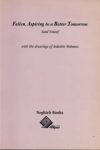
 Fallen, Aspiring to a Better Tomorrow (With the drawings of Ardeshir Mohases)
This book includes a note by Nasser Mohajer, Saeed Yousef’s long ode, four sketches by the late Ardeshir Mohassess specially made for the ode and finally a few points by the poet.
At the beginning, Nasser Mohajer writes:
“The “Bereft of life, in hope of a fresh start” ode is our prominent poet visit of the Slaughterhouse/Abattoir and his versified elegy for the/that Massacre in a dramatic style.”
“… As readers of this prodigious ode, the first poem about the horrendous Massacre of 1981, we find ourselves at once in the Islamic Republic Prison… and then intimately feel the inside, the mood and ambiance of the Slaughterhouse-Prison. Seeing the henchmen treatment of the Leftist and Mojaahed prisoners; and hearing their conversations, we figure out that each prisoner who was sentenced to death had refused to perform the Islamic Prayer in one way or another… And the climax of the ode is the recount of the will of a young mother who was handed to the death squad right after giving birth to her newborn; she recites to her hope, her baby:
“Do not be sorrowful, I die smiling,
“With happiness and joy, singing,
“Might’ve you seen my execution,
“You’d be awed by my honorable dying…”